Who Sets the Pet Rules in Each Kind of Community
Pet rules for a manufactured home come from whoever controls the land, so start by finding out which structure a listing uses:
| Structure | Where the pet rules are | Key protection |
|---|
| Rented pad in a park (off reserve) | Tenancy agreement and park rules under the Manufactured Home Park Tenancy Act | A new pet rule cannot apply to a pet already living there; no pet damage deposit |
| Lease, sublease or permit on reserve land | The lease or agreement, community rules and First Nation laws | Only what the documents say; provincial tenancy law does not apply |
| Bare land strata lot | Strata bylaws under the Strata Property Act | A new pet bylaw does not apply to a pet living there when it passed |
| Freehold lot | Municipal animal bylaws only | No private pet limits |
Park Rules and Pets Under the Tenancy Act
In a park on municipal land, the Manufactured Home Park Tenancy Regulation limits what park rules can do. A rule must be reasonable and must serve one of four purposes: promoting tenants' convenience or safety, protecting the park or the landlord's property, regulating access to or fair use of a service or facility, or regulating pets in common areas. A rule is enforceable only if it applies fairly to all tenants, is clear, was properly given, and does not change a material term of your tenancy agreement.
Two protections matter most to pet owners:
- Existing pets are protected. If a park adopts a new rule restricting pets, it does not apply to a pet already living in the park.
- Changes need notice. Rule changes need three months' notice on the Residential Tenancy Branch form, and since April 30, 2024 a landlord without a park committee can change the rules only once a year.
Deposits are different from an apartment rental. Under the Residential Tenancy Act a landlord can take a pet damage deposit of up to half a month's rent, but for a manufactured home site the landlord cannot require or accept a security deposit or a pet damage deposit.
Buying or Selling a Home With a Pet in a Park
When a park home is sold, the buyer signs a promise to follow the tenancy agreement and park rules as part of the assignment request. Owning a pet is not one of the listed grounds on which a landlord can refuse an assignment, but you will be bound by the pet rules that apply. Read the current park rules yourself rather than relying on the seller's experience, since the seller's pet may have arrived before a rule changed. As a seller, give buyers the park rules early so there are no surprises. As a buyer with more than one pet, or a large dog, make your offer subject to written confirmation from the park that your animals meet its rules.
Pets on Reserve Land and in Bare Land Stratas
On First Nations reserve land, the Manufactured Home Park Tenancy Act does not apply. Pet limits come from your lease, sublease or permit, the community's rules and any First Nation law, and there is no automatic protection for a pet already in the home. Get the pet terms in writing before you buy, and ask the community who handles licensing and animal control.
In a bare land strata such as Sidney's Summergate Village, pets are governed by the strata bylaws. The Strata Property Act provides that a new pet bylaw does not apply to a pet living with an owner when the bylaw passes. Guide and service dogs are protected separately.
Dog Rules Around the Main Park Areas
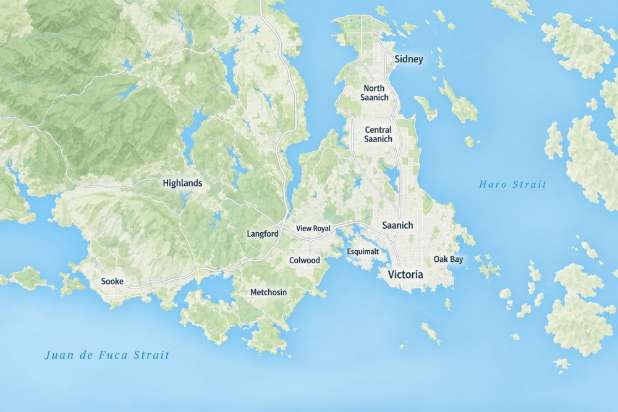
- Langford: the Animal Responsibility Bylaw requires a licence for any dog over four months old kept in the city more than 30 days, a leash of 1.8 metres or less carried whenever a dog is in public, and leashes on playgrounds and public beaches. Dogs are not allowed in sports facilities, and the City has posted a ban on dogs at its beaches from June 15 to September 15. Dogs and cats must carry identification.
- Sooke: dogs four months and older need a CRD licence that runs from January 1 to December 31. The Galloping Goose Regional Trail through Sooke is on-leash for its whole length.
- View Royal area: at nearby Thetis Lake Regional Park, dogs must be under control or on a leash, and from June 1 to September 15 they are not allowed in the main beach area or the Prior Lake beach and dock area.
- Central Saanich: off reserve, the District licenses dogs with a permanent tag renewed each year, with a late fee after March 1. At Island View Beach Regional Park, dogs must be under control or on a leash and kept on the trail near shorebirds during migration.
- Sidney: dogs over six months need a Town licence. Peter Grant Park is the Town's off-leash park, and dogs and cats must not run at large in the Shoal Harbour Migratory Bird Sanctuary.
Daily Walks Near the Park Areas
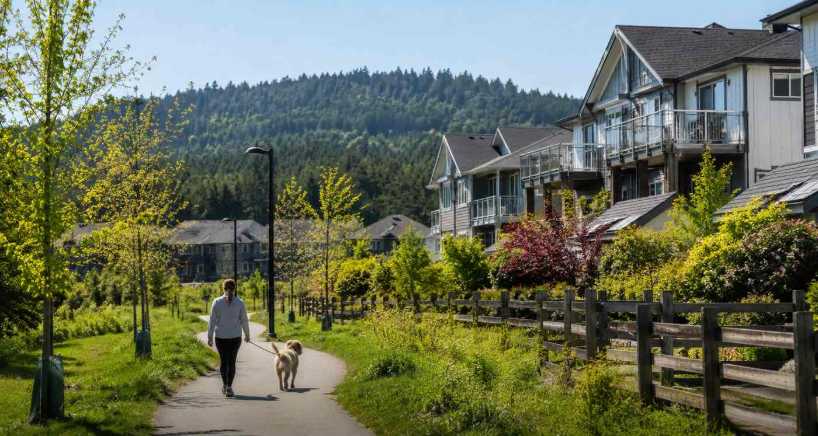
Most manufactured home communities are close to good walking. In Langford, the Strachan Trail circles Florence Lake on boardwalk and sidewalk with dogs on leash, and Danbrook Park on Danbrook Avenue is a City park where dogs may run off leash, open dawn to dusk with waste bags supplied. In Sooke, the marine boardwalk from Ed Macgregor Park follows the harbour, and the flat trail out Whiffin Spit runs about 1.1 kilometres to the lighthouse. View Royal's parks are minutes from the forest trails of Thetis Lake Regional Park, and the Galloping Goose links the Westshore parks to Victoria and Sooke, on leash throughout. Near Saanichton, Island View Beach offers a long beach and dunes, with dogs kept under control or on leash.
Choosing a Home for a Dog or Cat
- Yard and fencing: ask the park or strata what fencing is allowed before you plan a dog run. Decks, porches and sheds attached to or near the home need local government approval off reserve, and community approval everywhere.
- Skirting: sound skirting keeps pets from getting under the home and keeps wildlife out.
- Floors: older carpet and subfloors can hold pet odours. Check for soft spots near doors where wet paws come in.
- Location in the park: a site near the park's walking route or green space saves daily steps, while a site by the entrance road means more traffic.
- Parking and entry: a carport or side door near the parking spot makes vet trips and wet-weather walks easier and keeps muddy paws off the main floor.
- Cats and birds: homes near the shore, such as those by the Sooke Basin or Sidney's waterfront, suit indoor cats or a screened patio, since shorebirds and waterfowl gather there.
Ownership Structures: Pads, Reserve Leases and Owned Lots
Pet rules matter, but the land arrangement decides what you are actually buying, and it shapes your rights far more than the pet clause does.
Rented pad off reserve. You own the home and rent the site. The home is personal property recorded in the BC Manufactured Home Registry, and the tenancy is governed by the Manufactured Home Park Tenancy Act, with its limits on rent increases, assignment and closures.
Designated reserve land. Reserve land is held by the Crown for the band and cannot be bought. On land the band has designated for leasing, a head lease is granted to a developer or operator, who subleases each lot to a home owner. The sublease cannot outlast the head lease, so the head lease end date sets the outer limit of your tenure.
Certificate of Possession land. A band member can hold an allotment under a Certificate of Possession. Only members can hold one, and a non-member home owner rents, leases or holds a permit from the CP holder or an operator on the CP holder's land.
Owned lot. On a bare land strata or freehold lot you hold title to the land through the BC Land Title Office, and the home can become part of the property.
On reserve land, interests are recorded in the Indian Lands Registry System or, for Nations with land codes such as Tsawout, Songhees, T'Sou-ke, Esquimalt Nation, Beecher Bay and Tseycum, in the First Nation's own land register. A parcel abstract lists the head lease, subleases, assignments and mortgages on a lot. Because that registry does not guarantee title the way the provincial system does, have a lawyer check that the interest you are buying, and the head lease above it, are registered and current.
How Each Structure Is Financed
- Rented pad: usually a chattel loan at a higher rate and shorter term, or cash. The lender's security is registered in the Personal Property Registry.
- Designated reserve land: section 89(1.1) of the Indian Act allows mortgages of leasehold interests in designated lands. A mortgage acknowledgement agreement with Indigenous Services Canada and the band is required, and lenders commonly want the lease to run at least five years past the amortization.
- Land code reserve land: the land code sets the rules. Tsawout's limits a leasehold mortgage to the lesser of the lease term or 25 years, unless another period is approved.
- Certificate of Possession land: the hardest to finance, and often cash only.
- Owned lot: a conventional mortgage on the land title.
Pad Rent and Lease Terms to Check
In a provincially regulated park, pad rent can rise once every 12 months with three full months' notice, up to 2.3% for 2026 plus a proportional share of higher local government levies and utility fees. The 2027 limit is 2.2% plus the same share. When you buy through an assignment, you keep the seller's rent and next increase date. On reserve land, none of that applies: rent and rent reviews follow the lease, which may tie rent to land value or set reviews at fixed intervals. Ask whether any rent is prepaid and how many years remain.
The Home: Age, Labels and Condition
A used manufactured home can be legally sold only if it carries an approval label. If the label is missing, Technical Safety BC can inspect the home and apply a silver label. Homes built after May 15, 1992 must have met the CSA standard when built, and a seller must disclose in writing whether the home complies. Older homes may have aluminum wiring or Poly-B plumbing, which some insurers will not cover until it is replaced. The under-$300,000 page covers age and structural issues in detail.
If the Park Is Redeveloped
Off reserve, a landlord closing a park must hold all required permits and give 12 months' notice, and each tenant receives $20,000, plus the home's assessed value above $20,000 if it cannot be moved. On reserve land those rules do not apply. Moving a home needs a transport permit, issued only when property taxes are paid, and a new pad that accepts both the home and your pets.
Pet-Friendly Manufactured Home Questions
Can a park ban pets after I move in?
A provincially regulated park can change its rules with three months' notice, but a new pet restriction cannot be applied to a pet already living in the park.
Can the park charge me a pet deposit?
No. For a manufactured home site, the landlord cannot require or accept a pet damage deposit or a security deposit.
Can a strata make me give up my dog?
Not under a bylaw passed after the dog moved in. The Strata Property Act provides that a new pet bylaw does not apply to a pet already living with an owner, though the pet must still follow the other bylaws.
Does every home on this page allow both cats and dogs?
No. The search includes listings that allow cats, dogs or both, and limits on number and size vary. Confirm the rules for your pet before you write an offer.
General Information, Not Legal Advice
Park rules, bylaws and leases change. Get the current rules in writing and have a lawyer or notary review the agreement before you remove conditions.