All Mobile Homes for Sale in Victoria on MLS
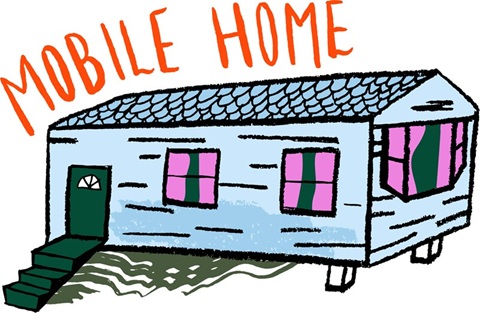
When Sarah and her husband, Tom, decided to downsize and buy a mobile home in Greater Victoria, they thought it would be a straightforward process. After all, a mobile home seemed like an affordable and practical option—less maintenance, lower costs, and the ability to settle in a community with shared amenities. But as they started their search, they quickly realized how many complexities were involved, especially when considering properties on Indigenous land or in mobile home parks with leased land.
Sarah’s first lesson came when she learned that mobile homes in British Columbia aren’t just simple purchases like buying a car. Every mobile home must be registered with the Manufactured Home Registry, which helps keep track of ownership and ensures legal clarity in case of resale. More than that, a mobile home needs a valid electrical certification—either a CSA (Canadian Standards Association) sticker from when it was first built or a Silver Label from Technical Safety BC if any electrical modifications were made over the years. One home they fell in love with was missing its certification, meaning they’d need to arrange an inspection before moving forward.
Another thing they hadn’t fully considered was whether to buy a mobile home on land they owned or lease a pad in a mobile home park. In Greater Victoria, many mobile home communities exist on leased land, which means that while they would own the home itself, they would have to pay monthly pad rental fees. These fees weren’t fixed either—depending on the park, the rates could increase over time.
Sarah read through the Manufactured Home Park Tenancy Act, which outlines the rights of both homeowners and park owners. She discovered that if they wanted to sell their mobile home in the future, they’d need to check if the park’s lease terms allowed them to transfer their rental agreement to a new buyer. Some parks had rules that required new tenants to sign a fresh lease, sometimes at a higher rate, which could make reselling more difficult.
Taxes were another consideration. In British Columbia, mobile home owners still had to pay property taxes, even if they didn’t own the land. These taxes were assessed based on the home itself rather than the land value, but Sarah realized that if they ever decided to move the home, they’d need to notify both BC Assessment and the Manufactured Home Registry to avoid unnecessary tax bills.
One of the most appealing properties Sarah and Tom came across was in a mobile home park located on Indigenous land. The home was affordable, and the park was in a stunning location with ocean views. But the more they looked into it, the more they realized that purchasing a home on Indigenous land came with different rules and legal frameworks.
Unlike other mobile home parks, Indigenous land is governed by federal laws and local First Nations governance. Until recently, buying or selling property on First Nations land was complicated due to legal restrictions on land ownership. However, changes to B.C.’s Land Act in 2024 made it easier for First Nations to register and hold land titles in the provincial system, helping to streamline transactions.
Still, Sarah learned that if they were to buy in this particular park, they’d need to understand the terms of their lease agreement carefully. Some Indigenous mobile home parks were managed under unique agreements that weren’t covered by the Manufactured Home Park Tenancy Act, meaning the rules could be different from other parks. Additionally, they would need to establish a positive relationship with the local Indigenous community, as living on Indigenous land often meant being part of a broader cultural and governance structure.
After researching their options, Sarah and Tom also realized that where they bought within Greater Victoria would make a big difference. Some municipalities had stricter zoning laws about where mobile homes could be placed, while others had more lenient regulations that allowed for manufactured home communities.
In some areas, mobile home parks had access to municipal water and sewage services, while others relied on private wells and septic systems—something Sarah and Tom hadn’t initially thought about but quickly recognized as an important factor. Environmental risks were another consideration; some districts had properties in flood-prone zones, which could impact insurance costs and future resale value.
After months of research, Sarah and Tom finally settled on a mobile home in a well-managed park outside of Victoria. They felt confident in their decision because they had taken the time to understand the nuances of registration, leasing, taxation, and the unique aspects of Indigenous land. They also chose a location with stable lease terms, municipal services, and a community that aligned with their lifestyle.
For anyone considering buying a mobile home in Greater Victoria, their biggest advice was this: don’t assume it’s a simple purchase. Whether it’s ensuring the home is properly registered, understanding lease agreements, or navigating the complexities of Indigenous land ownership, there’s a lot to consider. But with thorough research and the right guidance, it’s possible to find a home that fits both your budget and your long-term goals.
Make sure you use a Real Estate agent well versed in dealing with this category of Real Estate. It is a low value item but the most complex category of residential Real Estate, especially when it comes to transactions involving units located on Native land.