Loading current Rockland properties…
Currently Available — Current Rockland listings
Average Listing Price — Current Rockland average
Average Bedrooms — Current Rockland average
Average Bathrooms — Current Rockland average
Average Living Area — Interior living area
Average Price / Ft² — Current Rockland average
Rockland Properties for Sale
Browse Rockland homes, condos, townhomes, character houses, heritage properties, estate residences, and MLS® listings in one of Victoria BC’s most historic neighbourhoods.
Rockland Real Estate, Homes, Condos & MLS® Listings
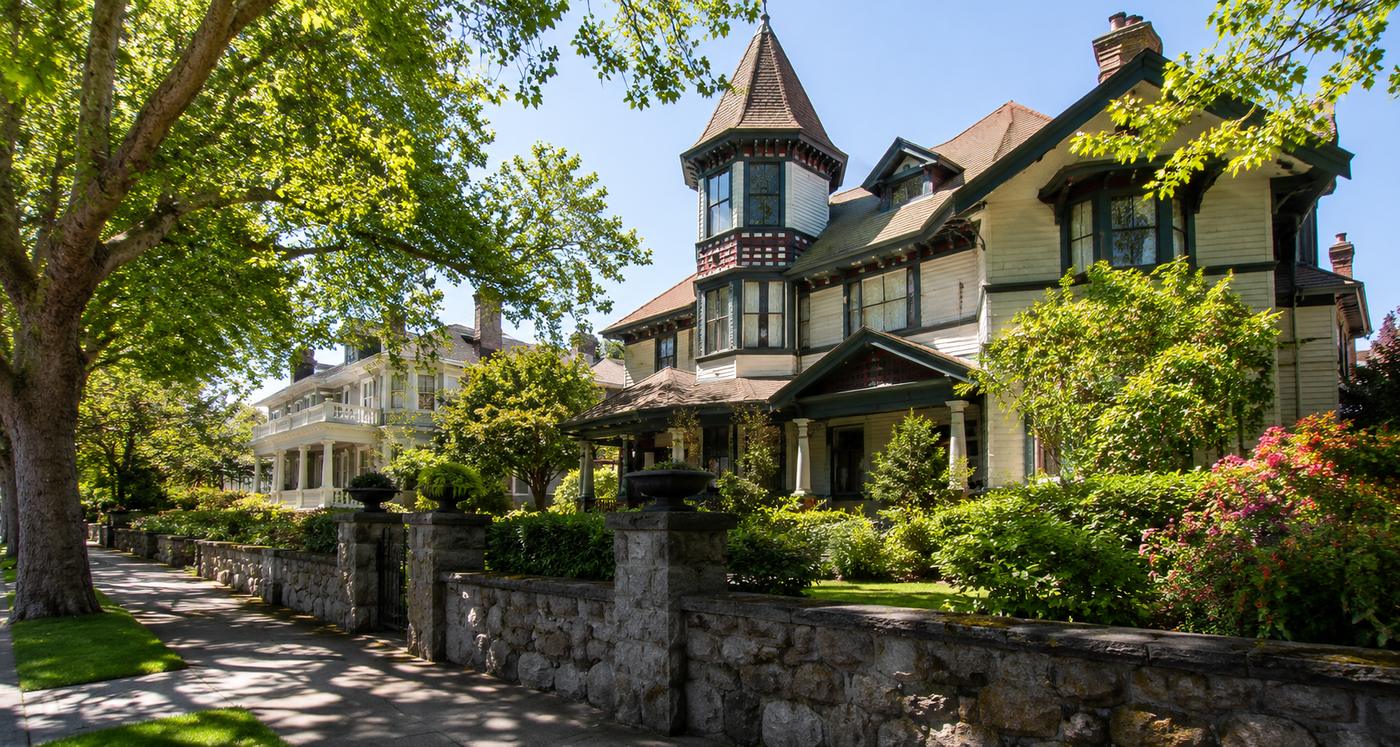
Browse current Rockland properties for sale, including character homes, heritage houses, estate residences, luxury homes, condos, townhomes, conversion properties, building lots, revenue properties, and MLS® listings in the historic Rockland neighbourhood of Victoria BC.
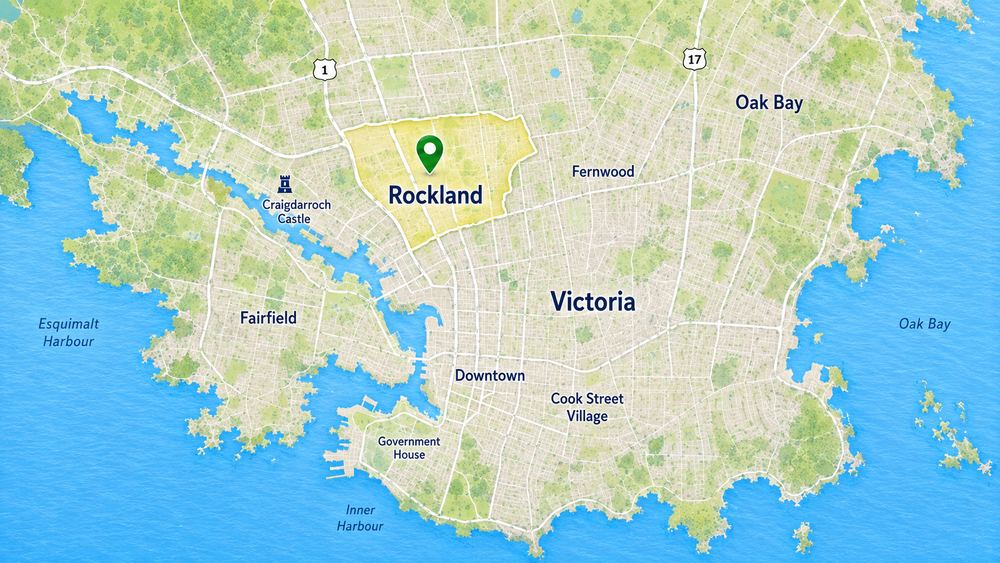
Rockland is one of Victoria’s most established and prestigious residential areas, known for tree-lined streets, large older homes, mature gardens, stone walls, historic architecture, and a central location between downtown Victoria, Fairfield, Oak Bay, Fernwood, Cook Street Village, Oak Bay Village, Government House, Craigdarroch Castle, and the Art Gallery of Greater Victoria.
This is not a generic suburban market. Rockland has a history, character, and housing mix that set it apart from almost every other part of Greater Victoria. A Rockland property may be a restored character house, a mansion converted into suites, a newer luxury condo, a hidden-lane townhouse, a large estate residence, or a building lot created from the grounds of an older legacy property.
You can also compare Rockland houses, Rockland condos, Rockland townhomes, and Rockland character homes.
Rockland Properties for Sale
Rockland properties for sale may include historic houses, character homes, luxury estates, strata conversions, newer condos, townhomes, duplex-style properties, revenue buildings, building lots, and homes with mature gardens, ocean glimpses, city outlooks, or views over surrounding treetops.
For many buyers, Rockland offers something that is difficult to recreate: a central Victoria location with old-money architecture, established landscaping, walkability, and proximity to downtown while still feeling residential, dignified, and set apart from the busier commercial core.
Why Buyers Choose Rockland
Buyers often consider Rockland because of its prestige, history, architecture, central location, walkability, mature streetscape, larger older homes, and proximity to landmarks such as Craigdarroch Castle and Government House. It can appeal to luxury buyers, character-home buyers, downsizers, investors, professionals, heritage enthusiasts, and people who want a central Victoria address with more presence than a typical urban property.
The trade-off is that Rockland homes can be complex. Older houses may involve heritage considerations, deferred maintenance, knob-and-tube wiring, perimeter drains, old plumbing, oil tank history, seismic issues, slate or older roofs, steep driveways, tree maintenance, and renovation restrictions. Buyers should evaluate charm and condition together.
A Historic Victoria Neighbourhood
Rockland grew into one of Victoria’s showpiece residential areas because many of the city’s wealthy early merchants, professionals, politicians, lumbermen, judges, real estate figures, and business families built homes along Rockland Avenue and the surrounding streets. Several names connected with old Rockland still appear throughout Victoria in streets, buildings, institutions, and local history.
The result is a neighbourhood where the real estate is tied closely to Victoria’s past. Rockland is not just a collection of houses. It is one of the places where Victoria’s early wealth, speculation, architecture, social hierarchy, and later decline of grand private estates can still be read in the streetscape.
Rockland Avenue and the Old Estate Homes
Rockland Avenue remains the historic spine of the neighbourhood. Older records and local accounts connect various Rockland addresses with figures such as S. J. Pitts, R. S. Day, E. V. Bodwell, W. J. Macaulay, A. S. Dumbleton, Biggerstaff Wilson, Arthur Jones, Dr. Thomas J. Jones, Robert Ward, J. A. Sayward, James Angus, Rout Harvey, J. C. Davie, A. E. McPhillips, Lyman Duff, Walter C. Nichol, E. G. Prior, Samuel Nesbitt, and David W. Higgins.
Those names matter because they give Rockland a different kind of real estate identity. Many Greater Victoria neighbourhoods have older homes, but Rockland has a concentration of houses and former estate grounds connected with people who shaped Victoria’s commercial, legal, political, medical, newspaper, mining, lumber, and real estate history.
Character Homes in Rockland
Rockland character homes may include Arts and Crafts houses, Edwardian homes, early twentieth-century residences, large estate houses, converted mansions, and smaller character homes tucked into side streets and hidden lanes. Buyers may find features such as oak and fir floors, inlays, leaded glass, stained glass, coved ceilings, built-ins, fireplaces, formal dining rooms, grand staircases, sunrooms, verandas, mature gardens, and stonework.
Character buyers should look carefully at condition. A beautiful Rockland home can still require serious review of foundation work, drainage, electrical, heating, insulation, roofing, windows, exterior envelope, chimneys, oil tank history, and prior renovations. In Rockland, the best properties combine architectural soul with systems that have been properly maintained or upgraded.
Luxury Homes and Estate Properties in Rockland
Rockland luxury homes may include large estate residences, restored character houses, modern custom homes, grand garden properties, and architecturally significant homes near Craigdarroch Castle, Government House, Terrace Avenue, Rockland Avenue, Despard Avenue, Joan Crescent, Belmont Avenue, and surrounding streets.
Luxury buyers should compare lot size, privacy, garden quality, outlook, renovation standard, heritage character, garage space, driveway access, outdoor entertaining areas, and how well the home balances old-world presence with modern daily comfort.
Rockland Condos
Rockland condos may include newer luxury buildings, converted character properties, boutique strata buildings, garden-level units, and residences close to Fort Street, Cook Street, Oak Bay Avenue, downtown Victoria, and surrounding amenities. Some buyers are drawn to Rockland condos because they offer a way to live in a prestigious historic neighbourhood without the maintenance of a large older house.
Condo buyers should compare building age, strata fees, depreciation reports, parking, storage, pet rules, rental rules, elevator access, noise, walkability, and whether the building fits the quieter residential character that makes Rockland desirable.
Rockland Townhomes and Strata Homes
Rockland townhomes and strata homes can be relatively rare and may include character conversions, hidden-lane homes, duplex-style properties, small strata complexes, and low-maintenance residences in established residential settings. These properties can appeal to downsizers, professionals, and buyers who want more space or privacy than a condo without taking on a full detached estate property.
Townhome buyers should review strata documents carefully, especially where older character buildings have been divided into multiple homes. Maintenance responsibilities, exterior repairs, insurance, parking, yard use, storage, common property, limited common property, and alteration rules can be especially important.
Revenue Properties and Converted Mansions
Some Rockland properties have been converted into rental buildings, strata residences, suites, or multi-unit homes. This reflects the broader history of the neighbourhood. Many large estate houses became expensive to maintain over time, and some were converted as private wealth, domestic staffing patterns, and real estate economics changed.
Investors and multi-unit buyers should review zoning, legal suite status, permits, fire separation, electrical capacity, plumbing, insurance, tenancy details, parking, laundry, building condition, and whether the income stream is supported by proper documentation rather than just historical use.
Building Lots and Redevelopment in Rockland
Rockland occasionally offers building lots or redevelopment opportunities, sometimes connected to older estate grounds, fire-damaged properties, large parcels, or properties with enhanced density potential. These opportunities can be valuable, but they are also sensitive because Rockland has a strong heritage identity and established neighbourhood character.
Buyers and builders should verify zoning, heritage status, tree protection, access, servicing, design expectations, setbacks, density rules, parking, neighbouring context, and whether the proposed project fits the character of the area.
Rockland Buyer Note
When comparing Rockland properties for sale, pay close attention to heritage character, renovation quality, older building systems, oil tank history, drainage, electrical upgrades, roof condition, suite legality, strata documents where applicable, tree maintenance, parking, driveway access, and proximity to Craigdarroch Castle, Government House, Cook Street Village, Oak Bay Avenue, downtown Victoria, and Fairfield.
Famous Rockland Homes and Local History
Rockland has a long list of historically interesting houses. The old notes for the area mention 1586 Rockland, built in 1907 for wholesale merchant S. J. Pitts; “Dereen” at 1606 Rockland, built for realtor R. S. Day; the former E. V. Bodwell home at 1626 Rockland; and the W. J. Macaulay-linked properties around 1630 and 1636 Rockland.
“Newholm,” built in 1897 for A. S. Dumbleton, and the Biggerstaff Wilson home around 1770 Rockland are part of the same pattern: houses tied to prominent Victoria families whose names still echo through the city. “Dundalk” at Rockland and Linden was built by Arthur Jones for his brother, Dr. Thomas J. Jones, one of Victoria’s pioneer dentists.
“The Laurels,” built in 1885 for merchant Robert Ward, later became connected with the Collegiate School and St. George’s School for Girls. The Langham Court Theatre auditorium is linked to the former school use of the grounds, which gives the property story a second life beyond its original private residence.
Oakmeade, Ellesmere and Stoneyhurst
Rockland’s older estate pattern can still be seen in fragments. The former “Oakmeade,” associated with lumberman J. A. Sayward, is remembered through smaller later houses and mature trees on the former grounds. “Ellesmere,” built in 1899 for James Angus, brother of the CPR president, reflects the way national business connections were represented in Victoria’s elite residential districts.
“Stoneyhurst,” built in the 1870s for Rout Harvey, was once set in several acres. Harvey had arrived in Victoria with his family in the early 1860s and later became connected with Turner, Beeton & Co., one of the prominent merchant firms of the period. These houses help explain why Rockland still feels different from newer luxury neighbourhoods: the land pattern and architecture came from a different age.
Doctors, Judges, Premiers and Newspaper Men
The old Rockland notes also connect the area with Dr. J. C. Davie, whose former home became Rockland Apartments, and with Alexander Edmund Batson Davie, a lawyer who became premier of British Columbia in the late 1880s. A. E. McPhillips, a lawyer and judge, is associated with a Rockland Avenue property where the old coach house could still be seen from the street.
Lyman Duff, later one of Canada’s most important legal figures, is connected with a granite-pillared Rockland house. “Barclay Manor” was built by Walter C. Nichol, lieutenant-governor and newspaper publisher, while nearby properties connect the district with figures such as E. G. Prior, Samuel Nesbitt, and David W. Higgins.
The Priory, Duvals and Craigdarroch Connections
Rockland is also tied to the larger estate landscape around Craigdarroch Castle, St. Charles Street, Pemberton Avenue, Joan Crescent, and Fort Street. The old notes refer to “The Priory” at 729 Pemberton Avenue, built in 1885 by E. G. Prior, whose career included business, politics, militia service, and vice-regal office.
The area around the old “Duvals” property, Craigdarroch grounds, and nearby estate lands shows how Rockland developed as a district of large holdings, private drives, prominent families, and later subdivision. Modern buyers may see only streets and houses, but the shape of the neighbourhood still reflects those earlier estate boundaries.
The Real Estate Crash and Rockland’s Changing Fortunes
Rockland’s history also includes a hard lesson about real estate cycles. Victoria’s early twentieth-century land boom created enormous wealth and speculation, but the crash that began around the early 1900s and deepened through war, depression, and changing economic conditions damaged many fortunes.
Large Rockland houses that were once built as private statements of wealth became difficult to maintain. Over time, many were converted into apartments, rental properties, schools, institutions, strata homes, or multi-unit buildings. That history is part of what makes Rockland real estate unusual today: buyers are often looking at properties that have passed through several economic and social eras.
Living in Rockland
Living in Rockland can offer a rare combination of central location and residential calm. Many homes are close to downtown Victoria, Cook Street Village, Oak Bay Avenue, Fairfield, Fernwood, Government House, Craigdarroch Castle, the Art Gallery, parks, schools, transit, and local shops.
The neighbourhood is especially appealing to buyers who want walkability without giving up mature streets, gardens, architectural character, and a sense of permanence. It is not the right fit for buyers who want uniform newer construction, large suburban garages, or simple low-maintenance ownership in every case, but it can be one of Victoria’s most rewarding areas for the right buyer.
Buying a Home in Rockland
When buying a home in Rockland, buyers should evaluate the property type first. A restored heritage house, an older revenue property, a new luxury condo, a strata conversion, a building lot, and a hidden-lane townhouse may all appear under the same Rockland MLS® search, but they require very different due diligence.
The best Rockland purchases usually come from understanding both the romance and the reality. History, architecture, gardens, and prestige matter here, but so do building systems, permits, insurance, maintenance, resale market depth, and whether the home fits modern daily life.
Rockland MLS® Listings
Use this page to search current Rockland MLS® listings, including houses, condos, townhomes, character homes, heritage properties, luxury residences, revenue properties, building lots, and strata homes in Victoria BC.
Browse current Rockland properties for sale below and compare listings by price, location, property type, architectural character, building condition, renovation quality, strata documents where applicable, walkability, parking, views, garden setting, and long-term ownership fit.