197 Marine Dr, Cobble Hill
Courtesy of RE/MAX Island Properties (DU)
Real Estate Company
NOTE: MLS® property information is provided under copyright© by the Vancouver Island Real Estate Board and Victoria Real Estate Board. The information is from sources deemed reliable, but should not be relied upon without independent verification. This website may only be used by consumers for the purpose of locating and purchasing real estate. By registering on this website I/We consent to the collection, use and disclosure of personal information as described in our privacy policy.
The trademarks MLS®, Multiple Listing Service® and the associated logos are owned by The Canadian Real Estate Association (CREA) and identify the quality of services provided by real estate professionals who are members of CREA. Used under license.
Statistics above are drawn from the broader Cobble Hill Housing Market Report. Use them as local market context rather than land-only averages.
Search Cobble Hill building lots, rural acreage, agricultural land, undeveloped parcels and larger properties for sale throughout South Cowichan.
Cobble Hill land for sale includes a mix of smaller building lots, rural acreage, agricultural parcels, forested land and larger undeveloped holdings. Because the community combines village, rural, agricultural and coastal environments, vacant land in Cobble Hill can vary dramatically in usability, servicing and development potential.
Buyers should evaluate land by more than parcel size. Topography, access, zoning, Agricultural Land Reserve status, water availability, septic suitability, drainage, environmental constraints and the amount of genuinely usable ground can all have a major effect on value.
Some parcels are well suited to a conventional custom-home build, while others may be more appropriate for agricultural use, long-term holding, recreation or buyers prepared to undertake more extensive servicing and site work.
Before assigning value to future potential, confirm what can actually be built or used on the property under current CVRD zoning and provincial regulations. A large parcel does not automatically mean greater development flexibility.
Smaller residential parcels intended for a future home, where servicing, setbacks, site preparation and zoning are primary considerations.
Larger undeveloped parcels offering privacy, forest, open land or space for a custom rural residence and accessory uses.
Farm-oriented parcels where ALR rules, soil, drainage, water and permitted agricultural uses may be central to value.
Larger properties purchased for privacy, long-term ownership, future building plans or strategic land-holding objectives.
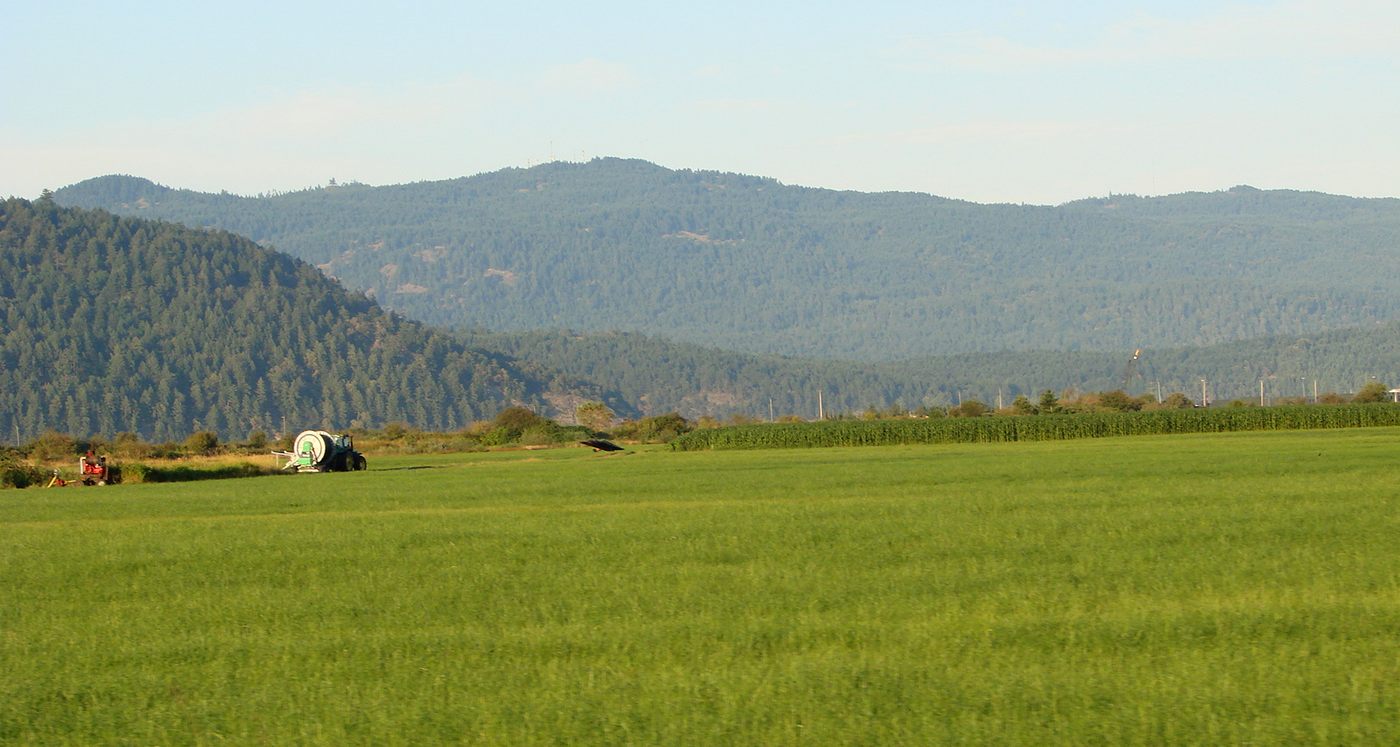
Vacant and underdeveloped land appears throughout Cobble Hill rather than in one concentrated subdivision. Eastern areas around Cherry Point tend to include more open agricultural and marine-influenced land, while western areas toward Cobble Hill Mountain can be more forested, elevated and topographically varied.
Properties closer to Cobble Hill Village may offer easier access to local roads and services, while larger rural holdings can trade convenience for privacy and greater separation from neighbouring properties.
Confirm CVRD zoning, permitted uses, minimum lot size, setbacks, dwelling allowances, accessory uses and whether the parcel is within the Agricultural Land Reserve.
Do not assume subdivision or additional dwellings are possible because a parcel is large.
Determine whether community water is available or whether a private well will be required. Review septic suitability, soil conditions, field location and replacement-area requirements.
Servicing feasibility can materially affect both construction cost and land value.
Review legal road access, driveway feasibility, rock, slope, drainage, retaining requirements, tree clearing and the amount of level buildable area.
A lower-priced parcel can become expensive quickly if major site work is required.
Vacant land buyers should review title charges, statutory rights of way, easements, restrictive covenants, access agreements and any registrations affecting building locations or future use.
Environmental development permit areas, riparian setbacks, wetlands, steep slopes and drainage corridors can reduce the practical building envelope even when zoning otherwise permits construction.
Where a parcel is near agricultural land or within the ALR, buyers should also consider farm-use restrictions, buffering, drainage and the realities of neighbouring agricultural activity.
Professional surveying, geotechnical, environmental, well, septic and planning advice may be appropriate before removing conditions where those issues are material.
A parcel marketed as five or ten acres may contain substantially less land that is practical for building, pasture, gardens, workshops or other intended uses. Rock, forest, creeks, wetlands, steep grades, septic fields, easements and access corridors can all reduce usable area.
Buyers should identify the realistic building envelope and intended use areas early in the due-diligence process rather than relying on total parcel size alone.
Before buying vacant land, establish how the property will be accessed and serviced. Confirm legal road access, power availability, water source, sewage-disposal options and the location of any existing utility corridors or rights of way.
On rural sites, bringing services to the building area can represent a significant portion of the total project cost. Distance from the road, terrain, rock, tree clearing and trenching requirements can all materially change the economics of a build.
Browse current Cobble Hill building lots, rural acreage, agricultural land and undeveloped parcels for sale throughout South Cowichan.